
You post consistently. The captions are decent, the design is on brand, and you never miss a day. Yet the leads simply are not coming. Sound familiar? It is one of the most common frustrations businesses bring to us, and the cause is almost always the same: confusing activity with strategy. The calendar is full, the effort is real, and the results are still flat.
Here is the uncomfortable truth. Posting every day is a habit. Generating leads is a system. The two are not the same thing, and one does not automatically lead to the other. You can be the most consistent brand in your category and still generate nothing, because consistency without direction just means you are reliably producing content that does not ask anyone to do anything.
The Consistency Trap
Somewhere along the way, "post consistently" became the entire social media playbook for a lot of brands. Consistency does matter, but only as the floor, never as the whole strategy. If every post is a product announcement or a generic motivational quote, frequency just means you are being ignored more often and more politely. The algorithm rewards content people engage with, and people do not engage with content that was made to fill a slot rather than to say something.
The real question is not "did we post today?" It is "did today's post move someone one step closer to becoming a customer?" That single shift in thinking changes what you make, why you make it, and how you measure whether it worked.
Why Followers Aren't the Goal
Follower count is the most flattering and least useful metric in social media. You can buy followers. You cannot buy intent. A page with 5,000 engaged, relevant followers will out-earn a page with 50,000 passive ones every single time, because a small audience of the right people is worth more than a large audience of the wrong ones.
This is why a serious lead generation agency India businesses partner with will rarely lead with follower targets. They focus instead on whether the audience is the right audience, and whether each piece of content is doing a clear job in the buyer's journey. Reach is only valuable when it reaches people who could actually become customers, and a smaller, sharper audience almost always converts better than a bloated one.
Building a Content Engine That Generates Leads
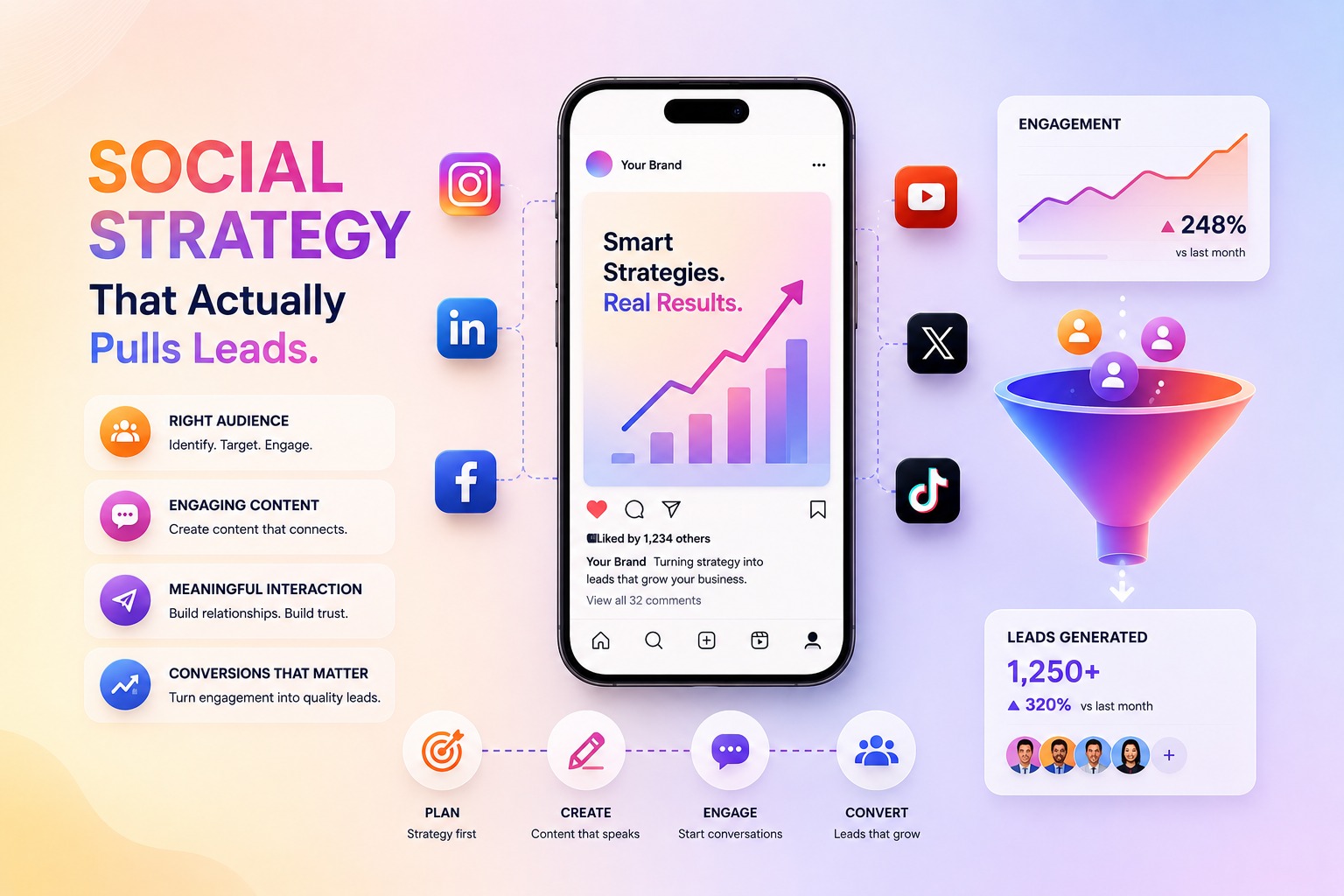
A lead-generating social presence balances three kinds of content, each with a distinct purpose. Think of them less as content types and more as stages in a relationship:
- Attract — content that pulls in the right strangers: useful tips, sharp industry takes, relatable problems. This builds reach and earns the first moment of trust.
- Convince — content that proves you can actually solve the problem: case studies, real results, behind-the-scenes, client stories. This is where credibility is built and scepticism is answered.
- Convert — content that asks for a specific action: a clear offer, a lead magnet, a free consultation, a demo. This is the step most brands are too shy to take, and it is the step that produces leads.
Most struggling pages do only the first kind, endlessly attracting an audience they never ask to do anything, or only the last, constantly selling to people who were never warmed up. The magic is in the sequence — attract, then convince, then convert — and in making sure every week deliberately includes all three rather than drifting toward whichever feels easiest.
The B2B and SaaS Difference
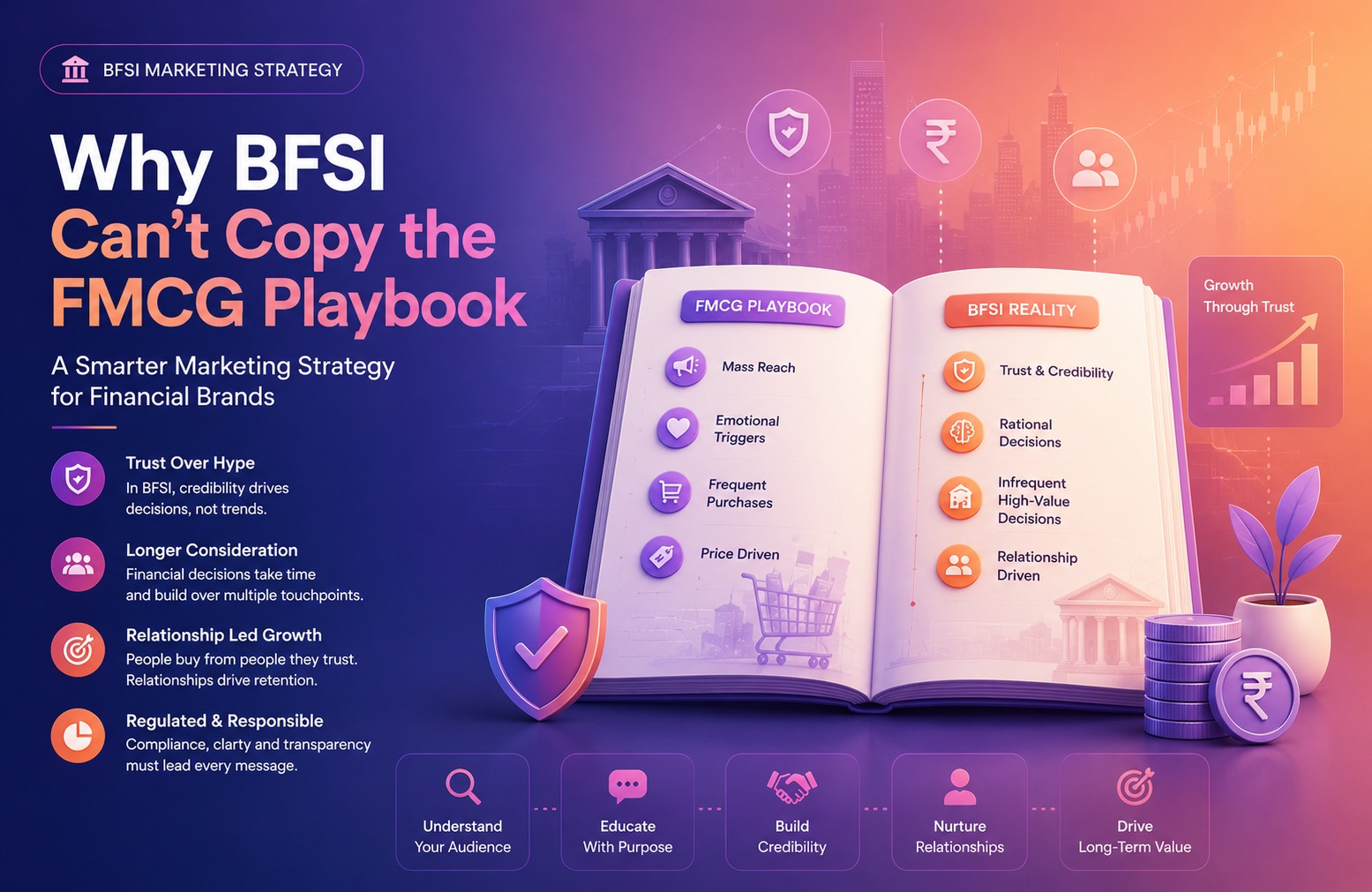
Social media for a consumer brand and social media for a B2B or software company are simply not the same sport. B2B buyers have longer sales cycles, multiple decision-makers to convince, and a much deeper need for proof before they commit. A single impulsive purchase is rare; a considered, researched decision is the norm.
For software companies in particular, this changes everything about the content mix. The best digital marketing company for SaaS startups will lean heavily into education, product-led storytelling, and demonstrating real value long before the demo, because a SaaS buyer wants to understand the product thoroughly before they ever talk to sales. Founder-led content and genuine thought leadership consistently outperform polished but faceless corporate posts here, because trust in this space is built person to person, not logo to logo.
Metrics That Actually Matter
If you want leads, stop reporting on vanity numbers and start tracking the ones genuinely tied to revenue. The metrics you choose shape the behaviour you reward, so choosing the right ones is half the battle:
- Engagement from your target audience — not total engagement, but engagement from people who could realistically buy from you.
- Profile-to-website clicks — the crucial bridge from social platforms you rent to the website you own.
- Lead magnet sign-ups and meaningful DMs — the first genuine signals of buying intent.
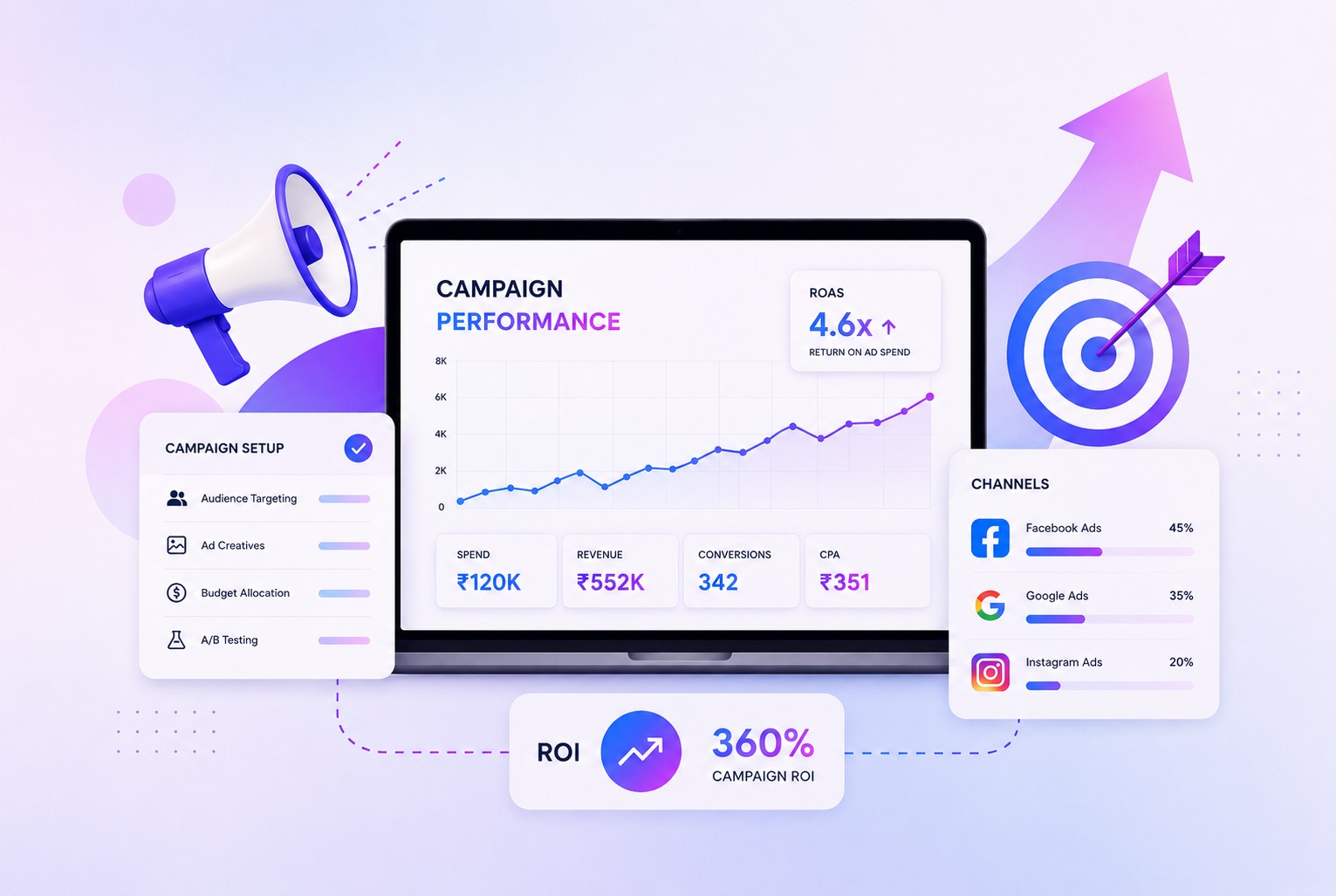
- Cost per qualified lead — if you are running any paid social, this is the number that quietly decides everything about whether it is working.
When you measure what actually matters, the strategy tends to correct itself over time. You naturally start making more of what works and quietly retiring the content that only ever earned likes. The feed stops being a performance and starts being a pipeline.